Buying a Property as an Investment: How to Properly Prepare It for Maximum Return
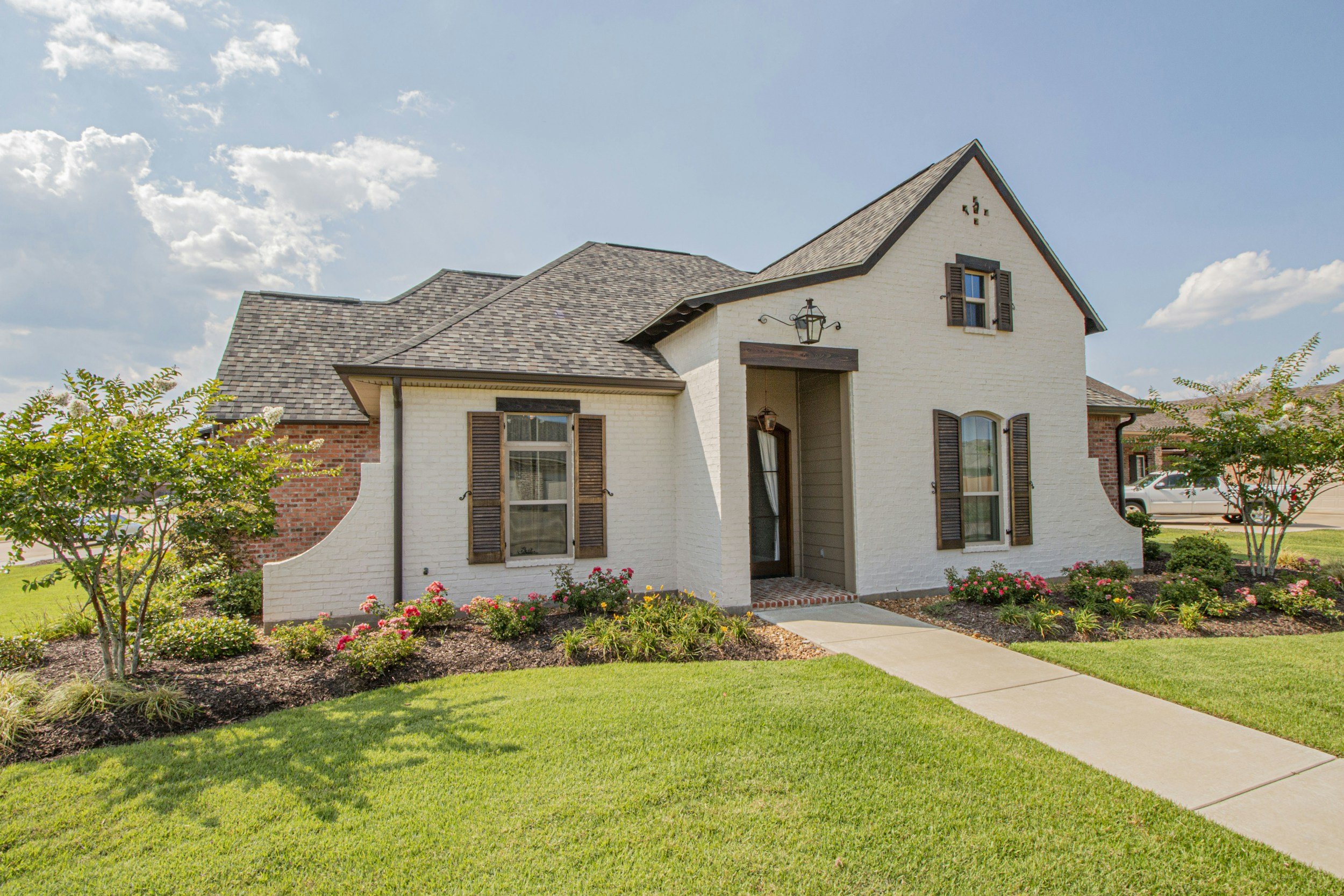
Purchasing a property as an investment is about far more than closing the deal. The real value is created in how well the property is prepared, maintained, and positioned for long-term performance. Whether you plan to rent, lease, or add value through improvements, proper preparation protects your investment, increases marketability, and helps maximize returns.
Below are the key steps every investor should take after purchasing a property—and before placing tenants or listing it for rent.
1. Start With a Thorough Inspection
Before making improvements, it’s critical to understand the true condition of the property. A professional inspection provides a clear picture of existing issues, deferred maintenance, and potential safety concerns that could impact rentability or future costs.
An inspection helps investors:
Prioritize repairs versus cosmetic upgrades
Identify safety or code-related concerns
Plan realistic renovation budgets
Avoid unexpected expenses after tenants move in
Starting with accurate information allows you to make strategic decisions rather than reactive ones.
2. Deep Cleaning and General Refresh
First impressions matter—especially in competitive rental markets. A professionally cleaned property is easier to market and attracts higher-quality tenants.
Key areas to focus on:
Floors (carpet cleaning or replacement if needed)
Bathrooms and kitchens (grout, fixtures, cabinets)
Walls, baseboards, and doors
Garage, storage areas, and exterior spaces
Even modest cleaning and touch-ups can significantly increase perceived value.
3. Refinishing and Cosmetic Improvements
Strategic cosmetic updates can deliver a strong return without over-renovating.
Consider:
Fresh interior paint in neutral tones
Refinishing or replacing worn flooring
Updating cabinet hardware or light fixtures
Repairing damaged drywall or trim
The goal is durability and appeal, not luxury—especially for rental properties.
4. Safety Systems: Smoke and Carbon Monoxide Detectors
Functional safety devices are not optional—they are essential and often legally required.
Ensure:
Smoke detectors are installed in all required locations
Carbon monoxide detectors are present where applicable
All devices are properly powered and tested
This protects tenants, reduces liability, and supports compliance with local regulations.
5. Windows and Doors
Windows and doors play a major role in comfort, energy efficiency, and security.
Inspect and address:
Broken or fogged window panes
Poorly sealed frames or drafts
Locks and latches on windows and doors
Smooth operation of sliders and hinges
Properly functioning windows can improve energy efficiency and tenant satisfaction.
6. HVAC System and Air Filters
Heating and cooling systems are among the most important components in any rental property.
Preparation should include:
Replacing HVAC air filters
Servicing the system if maintenance is overdue
Verifying proper airflow and thermostat function
A well-maintained HVAC system reduces tenant complaints and extends equipment lifespan.
7. Appliances and Mechanical Systems
All included appliances should be fully operational and safe.
Check:
Range, oven, dishwasher, and microwave
Refrigerator performance and seals
Washer/dryer hookups or units (if included)
Water heater operation and temperature settings
Reliable appliances reduce maintenance calls and improve tenant retention.
8. Evaluate Opportunities to Increase Value Through Division
For some properties, the greatest return comes from reconfiguration or division into multiple units. This step requires careful analysis and professional guidance.
Potential considerations include:
Converting a single-family home into a duplex or ADU setup
Creating separate living spaces with private entrances
Assessing zoning, permits, and local regulations
Reviewing utility separation and parking requirements
When feasible and legally permitted, property division can significantly increase rental income and long-term value.
9. Plan for Long-Term Performance
Preparing an investment property isn’t just about move-in readiness—it’s about sustainability.
Smart investors plan for:
Preventive maintenance schedules
Durable materials and finishes
Clear documentation of upgrades and inspections
Ongoing monitoring of property condition
This approach reduces surprises and protects cash flow over time.
Final Thoughts
A well-prepared investment property attracts better tenants, commands stronger rents, and minimizes costly surprises. From inspections and safety systems to strategic upgrades and potential property division, thoughtful preparation sets the foundation for long-term success.
At Elevate Inspections, we help investors understand their properties inside and out—so they can make informed decisions and maximize returns. Preparing your property properly today helps ensure it performs at its best tomorrow.