Buying your first home is an exciting milestone, but it's also one of the biggest financial decisions you'll make. Between finding the right property, securing financing, and preparing for closing, there are many things to consider before becoming a homeowner.
As a home inspector, I often remind buyers that a house can look beautiful on the surface while having underlying conditions that deserve a closer look.
A home inspection is an important step in understanding the overall condition of a property before you purchase it. Whether you're buying a newly renovated home, an older property, or new construction, knowing what to look for can help you make a more informed decision.
Here are 10 things every first-time homebuyer should know.
1. Don't Judge a Home by Its Appearance
Fresh paint, new flooring, updated countertops, and attractive fixtures can make a home look move-in ready. However, cosmetic improvements don't necessarily mean the home's major systems and components are in good condition.
During a home inspection, we look beyond appearances and evaluate accessible areas of the property, including the roof, foundation, plumbing, electrical systems, HVAC, and other components.
2. Pay Attention to the Roof
The roof is one of the most important components protecting your home from the elements.
During an inspection, a home inspector may identify missing or damaged shingles, deteriorated roofing materials, improper flashing, visible signs of water intrusion, or other concerns.
Roof conditions can affect the long-term maintenance costs of a home, so it's important to understand what you're purchasing.
3. Look for Signs of Water Intrusion
Water can cause significant damage if it enters areas where it shouldn't.
Common warning signs include:
Water stains on ceilings and walls.
Discoloration around windows.
Soft or damaged flooring.
Musty odors.
Deteriorated caulking.
Visible moisture around plumbing fixtures.
Not every stain indicates an active leak, but it deserves further evaluation to determine the source and whether repairs are needed.
4. Understand the Electrical System
Electrical safety is an important part of a home inspection.
We look for visible concerns such as damaged wiring, improperly installed electrical components, missing covers, potential safety hazards, and other observable deficiencies.
Older homes may have electrical components that require additional evaluation by a licensed electrician.
5. Don't Overlook the Plumbing
Plumbing problems aren't always immediately obvious.
Inspectors evaluate accessible plumbing fixtures, visible piping, drainage, water flow, and signs of leakage.
Look for dripping faucets, slow drains, corrosion, water stains, and signs of previous repairs.
6. Ask About the Age and Condition of Major Systems
Understanding the approximate age and condition of major home components can help you plan for future maintenance and replacement.
Some of the components to ask about include:
Roof coverings.
Heating and cooling equipment.
Water heaters.
Electrical panels.
Plumbing systems.
Major appliances, where included in the inspection.
Remember that age alone doesn't determine whether something is defective. Condition, installation, maintenance, and operation are also important.
7. Understand What a Home Inspection Does and Doesn't Cover
A standard home inspection is a visual, non-invasive evaluation of accessible components at the time of inspection.
It is not a guarantee that every defect will be discovered, nor is it a prediction of how long every component will last.
Certain conditions may require specialized inspections or additional evaluation by qualified professionals.
8. Attend Your Home Inspection If Possible
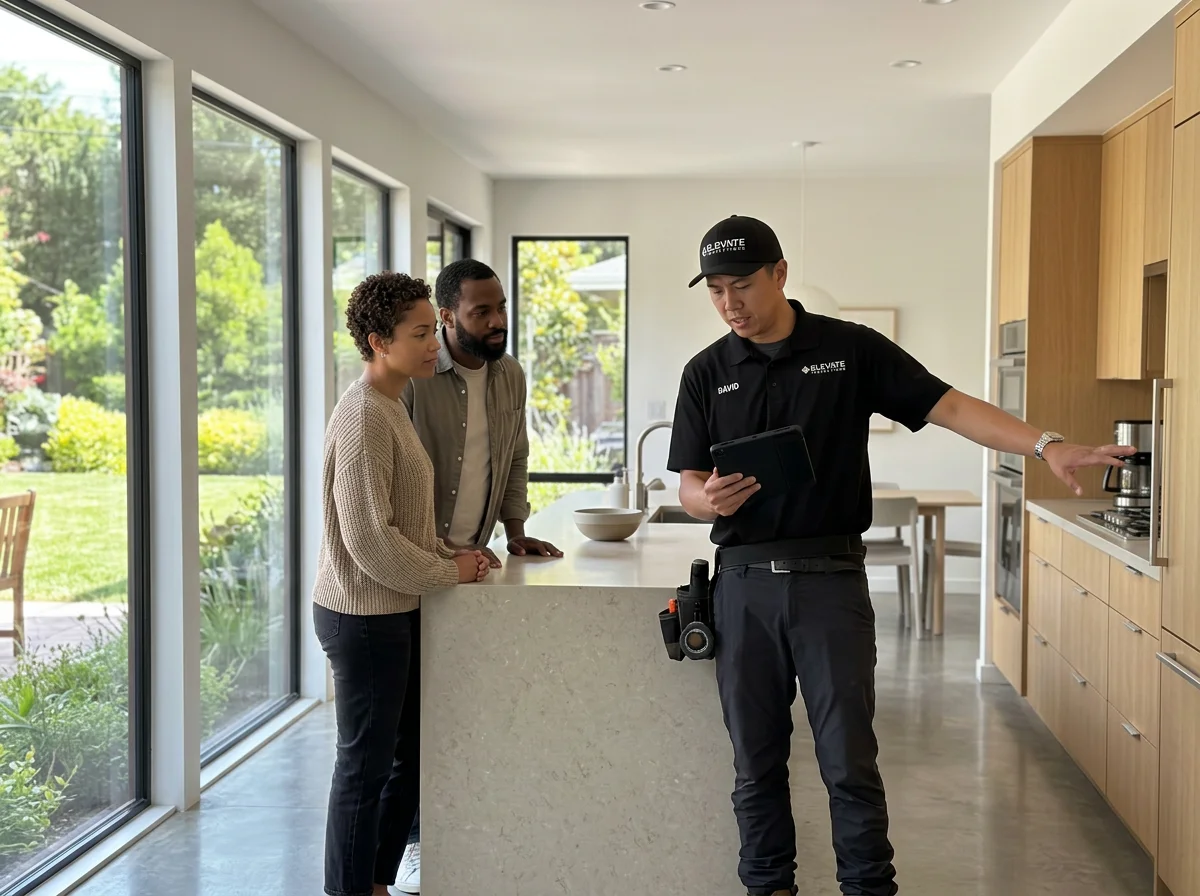
Attending the inspection gives you an opportunity to learn about the home directly from your inspector.
You can ask questions, see areas of concern, and better understand how to maintain your new property.
It's also a great opportunity to learn where important components are located, including the electrical panel, water shut-off valve, and HVAC equipment.
9. Pay Attention to Drainage and Grading
Water should generally drain away from the home's foundation.
Improper grading, clogged drains, and poor drainage can contribute to water intrusion, foundation concerns, and moisture-related issues.
These conditions are particularly important to evaluate during the rainy season.
10. Remember That Every Home Has Maintenance Needs
Even a home in excellent condition will require regular maintenance.
A home inspection can help identify current concerns and provide insight into components that may need monitoring, servicing, or repair.
Final Thoughts: Knowledge Is One of Your Best Investments
Buying a home is a major commitment. A professional home inspection helps you better understand the condition of the property and identify visible concerns before moving forward.
Our goal as home inspectors isn't to tell you whether you should buy a particular home. It's to provide an objective evaluation of its observable condition so you can make an informed decision.
Planning to purchase your first home? Schedule a professional home inspection and take an important step toward understanding the property you're about to call home.