
Inspecting Historic Homes in Long Beach: What Every Buyer Should Know
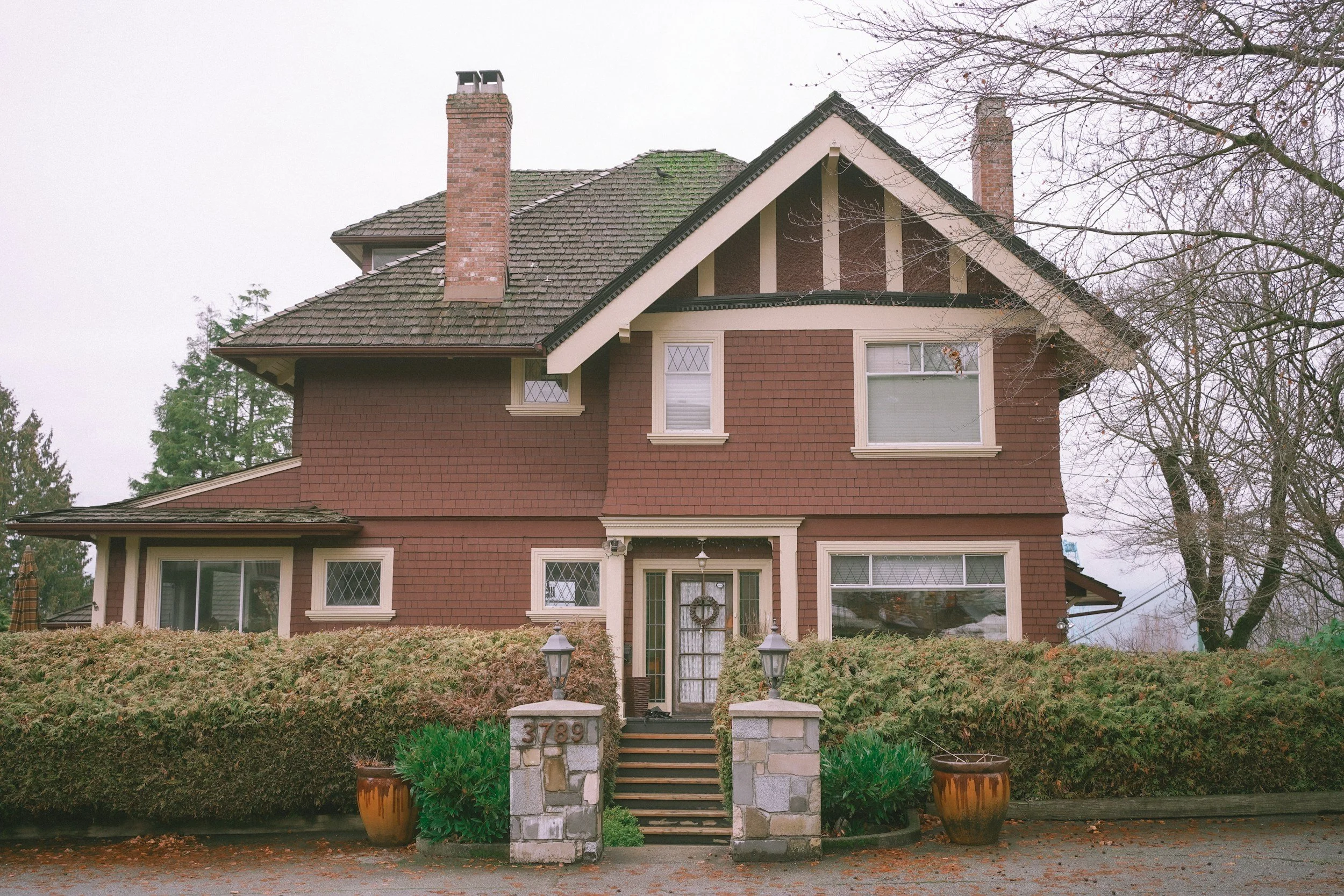
There’s something undeniably captivating about a historic home—the craftsmanship, the character, the stories embedded in every detail. In Long Beach, neighborhoods like Bluff Heights, Belmont Heights, and California Heights are filled with charming early-20th-century homes that offer timeless appeal. But beneath that beauty, historic properties can carry complexities that require a more thoughtful and thorough inspection approach.
If you’re considering purchasing or maintaining a historic home in Long Beach, understanding what to look for during an inspection is essential.
1. Structural Integrity: Settling vs. Coastal Movement
Older homes in Long Beach have had decades—sometimes over a century—to settle. In addition to typical aging, coastal soil conditions and seismic activity can also impact structural performance.
Key areas to evaluate:
Foundation type (raised foundations, brick, early concrete)
Signs of movement (horizontal cracks, sloping floors, sticking doors)
Floor framing and support systems
A local, experienced inspector can distinguish between expected settling and structural concerns that may require further evaluation.
2. Outdated Electrical Systems
Historic homes in Long Beach frequently retain older electrical systems that may not meet modern safety standards or support today’s power demands.
Common findings include:
Knob-and-tube wiring
Limited electrical capacity (60–100 amp panels)
Ungrounded outlets
Overloaded or outdated panels
These systems can present safety risks and may affect insurance coverage. Upgrades are often recommended for both safety and functionality.
3. Plumbing Materials and Coastal Wear
Plumbing systems in older homes can vary widely depending on updates over the years, and proximity to the coast can accelerate corrosion.
Potential issues:
Galvanized steel pipes (restricted flow and internal corrosion)
Cast iron drain lines (rusting, cracking, root intrusion)
Mixed plumbing materials from partial upgrades
A thorough inspection evaluates both condition and expected lifespan—critical for budgeting future repairs.
4. Roofing, Drainage, and Moisture Intrusion
Long Beach’s coastal climate means moisture control is especially important in historic homes.
Things to look for:
Aging roofing materials (wood shake, composite, or older asphalt)
Deteriorating exterior wood elements due to salt air exposure
Ineffective drainage and grading around the property
Water intrusion is one of the most common and costly issues in older homes, making exterior evaluation a top priority.
5. Hazardous Materials in Older Construction
Many historic homes were built before modern safety regulations.
Common concerns include:
Lead-based paint (especially in pre-1978 homes)
Asbestos (in insulation, flooring, or ducting)
Older HVAC systems with outdated or inefficient components
Proper identification and management of these materials is essential for safety and compliance.
6. Insulation and Energy Efficiency
Historic homes in Long Beach were not designed with modern energy standards in mind.
You may encounter:
Minimal or no insulation in walls and attics
Drafty single-pane windows
Inefficient heating systems (wall or floor furnaces)
Thoughtful upgrades can improve comfort while maintaining the home’s original character.
7. Permits and Unpermitted Additions
In Long Beach, it’s not uncommon for historic homes to have additions such as converted garages, ADUs, or back houses.
An inspection should consider:
Whether additions are permitted
Quality of workmanship
Integration with existing systems
Verifying permits with the City of Long Beach is an important step during due diligence.
8. Preserving Character While Modernizing
Owning a historic home in Long Beach is about balancing preservation with practicality.
An experienced inspector helps you prioritize:
Immediate safety concerns
Deferred maintenance items
Strategic upgrades that enhance livability without compromising character
Final Thoughts
Historic homes in Long Beach offer a unique opportunity to own a piece of California’s architectural history—but they require a deeper level of diligence. A comprehensive inspection tailored to older properties provides clarity, reduces surprises, and helps you move forward with confidence.
When approached with the right knowledge and expectations, owning a historic home can be as rewarding as it is timeless—and with the right inspection partner, you can truly take your investment to new heights.