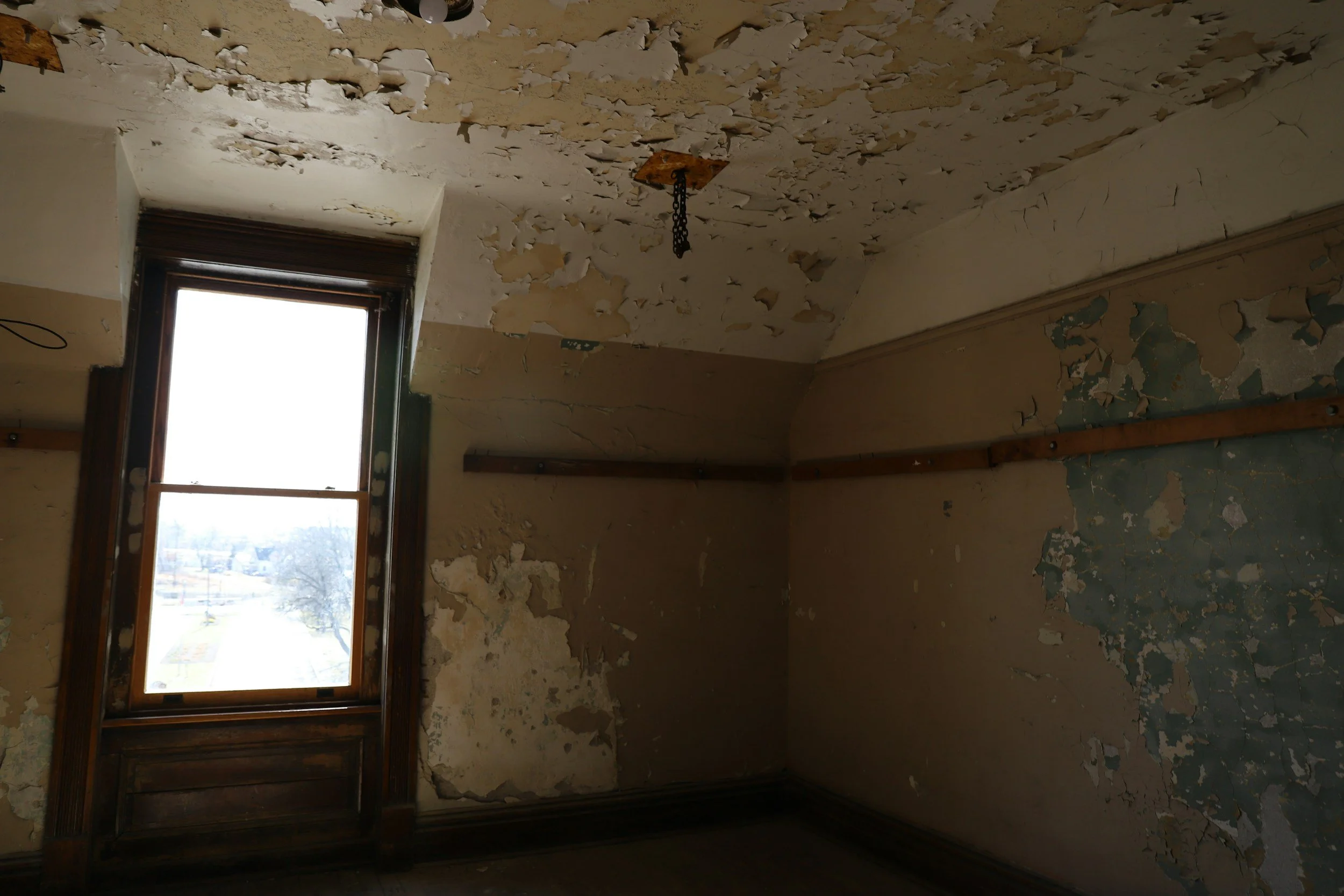
If you’ve noticed a musty odor, unexplained dark staining, or signs of moisture in your home, these are not cosmetic issues—they are potential indicators of active leaks, hidden water intrusion, or mold growth.
In coastal climates like Long Beach and throughout Southern California, elevated humidity, aging plumbing systems, and roof wear can all contribute to concealed moisture problems. Early detection is critical to prevent structural damage and protect indoor air quality.
This guide explains:
What musty smells usually indicate
How inspectors identify active moisture intrusion
The tools we use (moisture meters & thermal imaging cameras)
When mold testing is recommended
What to expect from mold lab results
What Causes Musty Smells in a Home?
A persistent musty odor typically signals microbial growth (often mold) caused by prolonged moisture exposure. Mold spores are naturally present in the air, but when moisture is introduced, they can colonize:
Drywall
Framing lumber
Subflooring
Carpet padding
Attic sheathing
HVAC components
Common sources of moisture intrusion include:
Roof leaks
Plumbing leaks (supply or drain lines)
Failed shower pans
Slab leaks
Poor exterior drainage
Condensation in attics or crawlspaces
A musty smell is often the first symptom before visible damage appears.
What Does Dark Staining Mean?
Dark staining on ceilings, walls, or baseboards may indicate:
Previous water intrusion
Active leaks
Condensation patterns
Mold growth
However, staining alone does not confirm active moisture. That’s where professional inspection tools become essential.
Our Moisture & Leak Detection Process
At Elevate Inspections, we follow a structured diagnostic approach to determine whether moisture is:
Historical (old, dry damage)
Intermittent
Actively leaking
1. Visual Assessment
We begin with a detailed visual evaluation of:
Staining patterns
Material deterioration
Warping or bubbling surfaces
Microbial-like growth
But visual inspection is only the starting point.
2. Moisture Meter Testing
A moisture meter allows us to measure the moisture content inside building materials without destructive testing.
We use it to:
Compare suspected areas to dry control areas
Identify elevated moisture levels inside drywall
Confirm whether staining is currently wet
Track moisture spread beyond visible damage
If readings exceed normal moisture thresholds, it strongly suggests active or recent water intrusion.
3. Thermal Imaging Camera (Infrared Technology)
We also use a thermal imaging camera, which detects surface temperature differentials. Moisture often cools surfaces due to evaporation, creating identifiable thermal anomalies.
Thermal imaging helps us:
Locate hidden leaks behind walls
Identify ceiling moisture before it becomes visible
Trace plumbing leak paths
Detect insulation gaps contributing to condensation
It is important to note: thermal imaging does not “see mold.” It identifies temperature patterns consistent with moisture. All findings are verified with a moisture meter.
When Do We Recommend Mold Testing?
Not all moisture issues require mold sampling. However, we may recommend testing when:
There is a strong musty odor
Occupants report respiratory irritation
Visible microbial-like growth is present
Moisture readings are elevated
A real estate transaction requires documentation
We offer two primary sampling methods:
Air-O-Cell Air Sampling
An Air-O-Cell cassette captures airborne mold spores using a calibrated air pump.
This test:
Measures indoor spore concentration
Identifies mold types present
Compares indoor levels to outdoor control samples
Determines if amplification is occurring
Air sampling is especially useful when mold is suspected but not visible.
Surface Swab Sampling
Swab samples are taken directly from visible suspect growth.
This method:
Confirms whether the substance is mold
Identifies the genus/type
Documents contamination for remediation planning
Swabs do not measure airborne concentration—they confirm surface growth.
Understanding Mold Lab Results
Samples are sent to an accredited third-party laboratory for analysis. Results typically include:
Mold spore types identified
Spore concentration per cubic meter (for air samples)
Comparison to outdoor baseline sample
Interpretation notes
Results are usually returned within 2–3 business days.
If elevated or toxigenic mold species are detected, we may recommend:
Professional remediation
Source moisture repair
Post-remediation verification testing
Why Early Detection Matters
Unchecked moisture can lead to:
Structural wood rot
Drywall deterioration
Insulation damage
Indoor air quality concerns
Increased remediation costs
The earlier a leak is identified, the more limited and manageable the repair typically becomes.
Buying or Selling a Home? Moisture Issues Can Impact Transactions
In real estate transactions, unresolved moisture concerns can:
Delay escrow
Trigger repair requests
Impact appraisal
Lead to post-sale disputes
A professional inspection with moisture diagnostics and, when necessary, mold testing provides documentation and clarity for all parties.
Schedule a Moisture & Mold Evaluation
If you’ve noticed:
A musty smell that won’t go away
Dark staining on ceilings or walls
Recent roof or plumbing leaks
Allergy symptoms that worsen indoors
It’s time to investigate further.
At Elevate Inspections, we use advanced diagnostic tools—including moisture meters and thermal imaging—to determine whether moisture is active and whether mold testing is warranted.
Going above and beyond, exceeding your expectations.