
What Home Inspectors Look for Underneath a House—and Why Foundations Matter
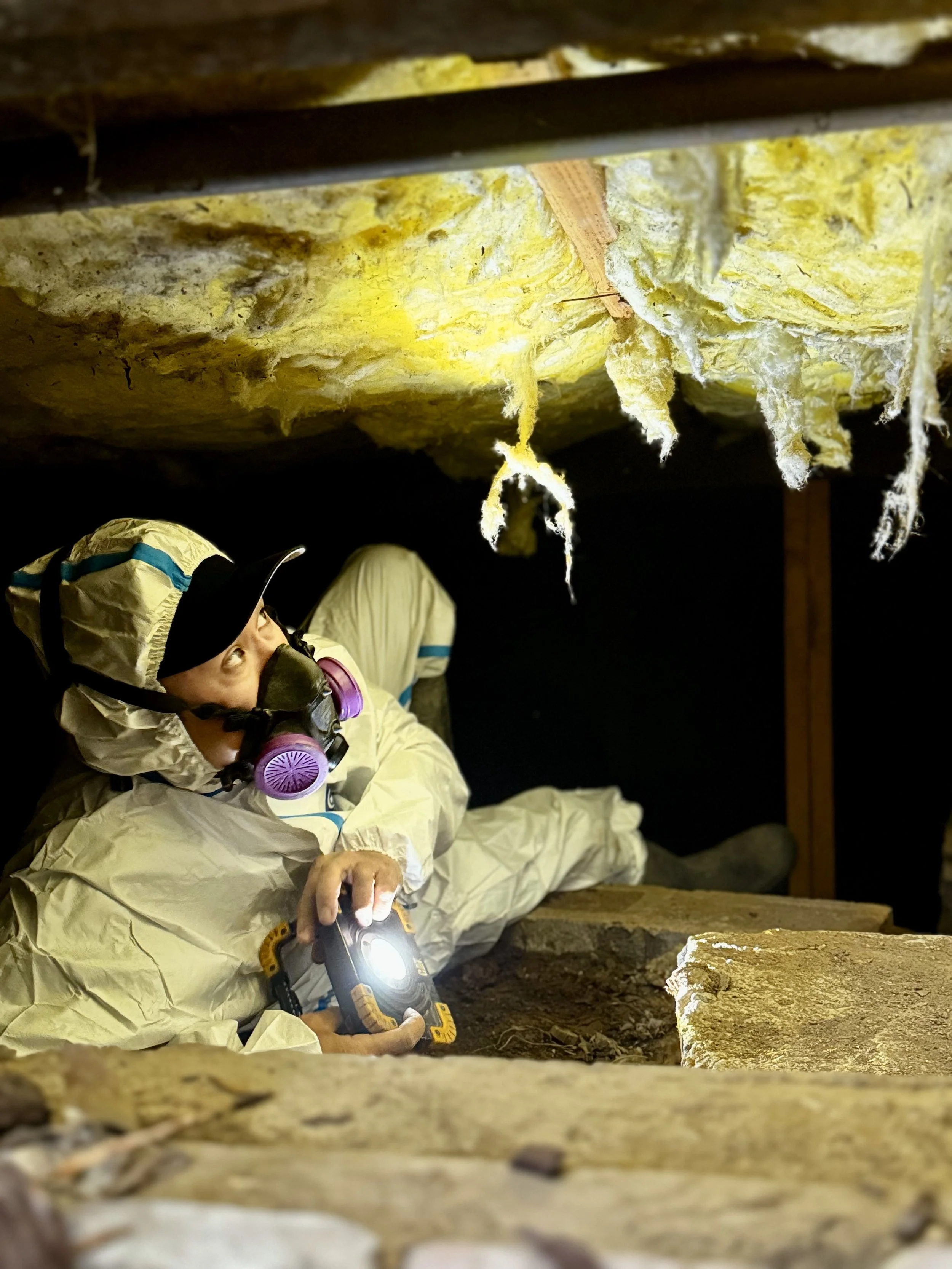
When buying or maintaining a home, what’s beneath your feet matters just as much as what’s in front of your eyes. The area under a home—whether it’s a crawl space or a slab foundation—can reveal critical information about the property’s condition, safety, and long-term durability. Understanding what home inspectors evaluate in these spaces can help homeowners and buyers make more informed decisions.
What Inspectors Look for in Crawl Spaces (Raised Foundations)
In homes with raised foundations, there’s typically a crawl space beneath the structure. While these areas are often tight and dark, they’re full of clues about the home’s health.
1. Moisture and Drainage Issues
Excess moisture is one of the biggest concerns. Inspectors look for standing water, damp soil, condensation, or signs of past flooding. Poor drainage can lead to mold growth, wood rot, and even structural damage over time.
2. Structural Components
Inspectors examine beams, joists, posts, and subflooring. They check for sagging, cracks, or any signs of stress or improper modifications. Termite damage or rot in wooden components is a major red flag.
3. Insulation and Ventilation
Proper airflow helps prevent moisture buildup. Inspectors look for blocked vents, missing insulation, or improperly installed vapor barriers. Poor ventilation can accelerate deterioration.
4. Plumbing and Electrical Systems
Much of a home’s plumbing and some electrical wiring run through the crawl space. Inspectors check for leaks, corrosion, outdated wiring, or unsafe installations.
5. Pest Activity
Rodents, insects, and especially termites often make their way into crawl spaces. Evidence like droppings, nests, or chewed materials can signal a larger problem.
What Inspectors Look for in Slab Foundations
Homes built on concrete slabs don’t have accessible space underneath, but that doesn’t mean inspectors skip evaluating the foundation.
1. Cracks and Settlement
Inspectors look for visible cracks in the slab, both inside and outside the home. While small hairline cracks can be normal, larger or uneven cracks may indicate foundation movement or settling.
2. Flooring Irregularities
Uneven floors, tiles cracking, or doors that don’t close properly can all point to slab movement beneath the surface.
3. Moisture Intrusion
Inspectors check for signs of moisture seeping through the slab, such as damp flooring or mildew odors. This can indicate poor sealing or drainage issues around the home.
4. Plumbing Concerns
Since plumbing lines are often embedded in or beneath the slab, leaks can be harder to detect and more expensive to repair. Inspectors look for indirect signs like unexplained water usage or warm spots on the floor.
Slab vs. Raised Foundations: Why Homes Are Built Differently
The type of foundation a home has often depends on climate, soil conditions, cost considerations, and regional building practices.
Slab Foundations
Why they’re used:
Slab foundations are common in warmer climates where freezing temperatures are less of a concern. They’re quicker and less expensive to build because they require less excavation and fewer materials.
Advantages:
Lower construction cost
Faster build time
Fewer issues with pests entering from below
Reduced risk of moisture accumulation from a crawl space
Disadvantages:
Harder and more expensive to access plumbing or wiring
Less insulation from the ground can make floors feel colder
Cracks can be costly to repair
Raised Foundations (Crawl Spaces)
Why they’re used:
Raised foundations are often chosen in areas with uneven terrain, higher moisture levels, or where access to utilities is important.
Advantages:
Easier access to plumbing, electrical, and HVAC systems
Better protection against minor flooding
Improved insulation and airflow when properly maintained
Flexibility for future repairs or upgrades
Disadvantages:
Higher construction cost
Increased risk of moisture problems if not properly ventilated
Potential for pest infestations
The Bottom Line
Whether a home sits on a slab or a raised foundation, each type has its strengths and trade-offs. Home inspectors play a critical role in identifying hidden issues—especially in areas most people never see. For buyers, understanding what lies beneath the home can prevent costly surprises. For homeowners, regular inspections and maintenance can extend the life of the structure and protect your investment.
When it comes to real estate, what you don’t see can absolutely matter the most.