When purchasing a home, most buyers understand the importance of a thorough home inspection. The roof, electrical system, plumbing, HVAC equipment, and foundation are all carefully evaluated. However, one of the most expensive and frequently overlooked components of a property is hidden underground: the sewer line.
A sewer scope inspection is one of the most valuable add-on inspections available during the home-buying process. It can reveal significant defects that are impossible to identify during a standard home inspection and potentially save buyers thousands of dollars in unexpected repairs.
What Is a Sewer Scope Inspection?
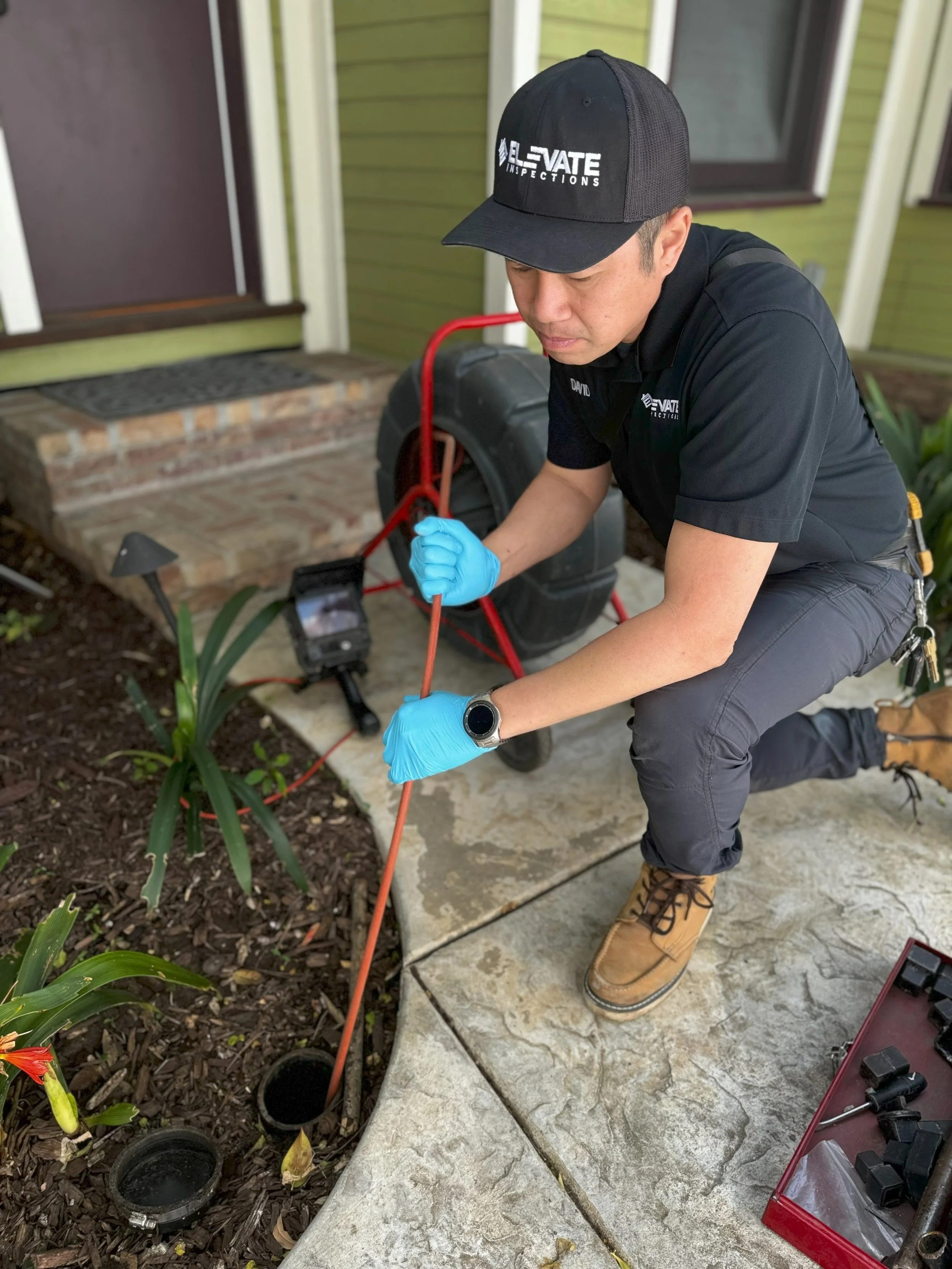
A sewer scope inspection involves inserting a specialized waterproof camera into the property's main sewer line. The camera travels through the underground drainage system while recording a live video feed that allows the inspector to evaluate the condition of the pipe from the home to the municipal sewer connection or septic system.
Unlike a standard home inspection, which evaluates only the visible and accessible portions of a plumbing system, a sewer scope inspection provides a detailed look inside the buried sewer line where many costly problems occur.
What Is Included in a Sewer Scope Inspection?
During a sewer scope inspection, a trained inspector will:
Locate and Access the Sewer Cleanout
Most inspections begin at an existing sewer cleanout located outside the home. If a cleanout is not present, alternative access points may be used when feasible.
Insert a High-Resolution Sewer Camera
A specialized camera is fed through the sewer line to visually inspect the interior condition of the piping.
Evaluate the Condition of the Pipe
The inspection looks for:
Cracks and fractures
Pipe deterioration
Corrosion and scaling
Offset pipe connections
Improper repairs
Structural damage
Bellied or sagging sections
Collapsed pipe segments
Identify Root Intrusion
Tree roots are among the most common causes of sewer line damage throughout Southern California. Even small root intrusions can eventually lead to blockages, backups, and costly repairs.
Check for Obstructions and Blockages
The camera can identify:
Grease buildup
Debris accumulation
Foreign objects
Previous backups
Significant restrictions to flow
Determine Pipe Materials
Many older homes contain aging sewer materials such as:
Cast iron
Clay tile
Orangeburg pipe
Concrete pipe
Aging ABS materials
Understanding the pipe material helps buyers anticipate future maintenance and replacement needs.
Provide Video Documentation and Findings
At Elevate Inspections, sewer scope findings are documented and reviewed with clients so they can make informed decisions about potential repairs, maintenance, or further evaluation.
Why Do Buyers Choose a Sewer Scope Inspection?
Sewer Repairs Are Expensive
Many buyers are surprised to learn that sewer line replacement can cost anywhere from several thousand dollars to well over $20,000 depending on the property's location, pipe depth, accessibility, and required restoration work.
Because the sewer system is underground, problems often go unnoticed until a major backup or failure occurs.
Most Sewer Problems Cannot Be Seen During a Standard Home Inspection
A home inspector can evaluate fixtures, drainage performance, and visible plumbing components, but cannot see inside buried sewer lines without specialized equipment.
A home may appear perfectly functional during a traditional inspection while concealing significant sewer defects underground.
Older Homes Present Greater Risk
Many Southern California homes built before the 1980s contain aging sewer systems that may be approaching the end of their service life.
Common issues found in older properties include:
Root intrusion
Corroded cast iron piping
Cracked clay sewer lines
Settling and misaligned pipes
Previous improper repairs
It Provides Valuable Negotiation Leverage
When significant sewer defects are identified before closing, buyers may be able to:
Request repairs from the seller
Negotiate a credit
Renegotiate the purchase price
Budget appropriately for future repairs
Discovering these issues before ownership transfers often provides buyers with options that may not be available later.
Why Elevate Inspections Recommends Sewer Scope Inspections
At Elevate Inspections, we regularly recommend sewer scope inspections because they uncover defects that would otherwise remain hidden.
Some of the most costly issues we encounter during real estate transactions are not located on the roof, electrical system, or foundation—they are found underground in the sewer line.
We particularly recommend sewer scope inspections for:
Homes over 20 years old
Properties with mature trees
Homes with cast iron or clay piping
Properties showing signs of slow drainage
Investment properties
Flipped homes
Historic and older residences
Even newer homes can experience construction defects, improper installation, or unexpected sewer line damage.
Is a Sewer Scope Inspection Worth It?
In most cases, yes.
Compared to the potential cost of repairing or replacing a sewer line, the cost of a sewer scope inspection is relatively small. It provides valuable information about a critical system that is otherwise impossible to evaluate during a traditional home inspection.
For many buyers, a sewer scope inspection offers peace of mind. For others, it uncovers hidden defects that could save thousands of dollars and prevent significant stress after moving into their new home.