When Do Home Inspectors Use Drones for Roof Inspections?
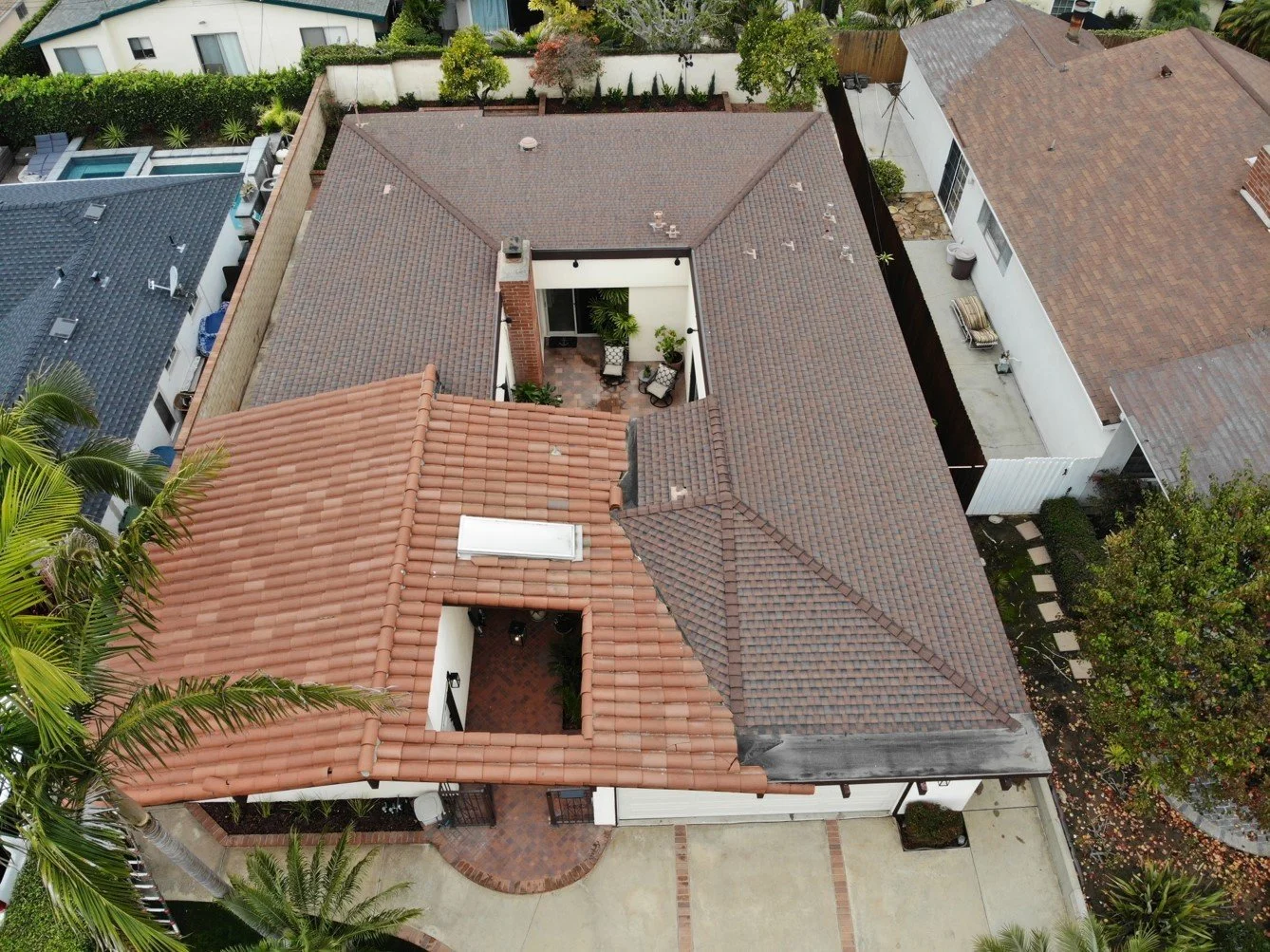
When you hear that a home inspector is using a drone to inspect a roof, you might wonder: Why not just get on the roof?
The answer is simple: sometimes getting on the roof isn't safe—or it could damage the roof.
At Elevate Inspections, our goal is to evaluate as much of the roof system as reasonably possible without putting the inspector, the property, or the roofing materials at unnecessary risk.
When a roof is too steep to safely walk or is covered with materials that can be damaged by foot traffic, a drone can provide an excellent alternative for evaluating otherwise difficult-to-access areas.
Why Can't Inspectors Always Walk the Roof?
A roof may look perfectly walkable from the ground, but several factors can make physical access inappropriate.
Two of the most common reasons we use drones are:
1. The Roof Is Too Steep
Roof pitch is one of the biggest factors we consider when determining whether a roof can be safely accessed.
A steep roof can create a significant fall hazard, particularly when the surface is wet, deteriorated, covered with debris, or otherwise difficult to navigate.
Even with appropriate safety equipment, there are situations where walking a steep roof simply isn't a reasonable option during a standard home inspection.
Instead of taking an unnecessary risk, a drone can allow the inspector to obtain detailed aerial views of the roof surface.
2. Delicate Roofing Materials
Some roofing materials are not intended to be routinely walked.
Tile roofs are a common example.
Roof tiles can crack, break, or become displaced when someone walks across them. This is especially important with older or brittle tiles.
A roof may be structurally capable of supporting the building and still have roofing materials that are susceptible to damage from foot traffic.
Rather than potentially creating a problem while trying to inspect for problems, using a drone can allow the inspector to visually evaluate the roof without unnecessarily walking across the tiles.
What Does a Drone Roof Inspection Look For?
A drone gives the inspector a different perspective of the roof.
From the ground, portions of a roof can be difficult—or impossible—to see. A drone can provide aerial images and video of areas that aren't readily visible from accessible locations.
Depending on the roof and conditions, an inspector may use drone imagery to look for visible concerns such as:
Missing or damaged roofing materials
Cracked or displaced tiles
Damaged shingles
Deteriorated roof coverings
Exposed underlayment
Damaged flashing
Issues around roof penetrations
Deteriorated sealants
Debris accumulation
Improperly installed components
Visible areas of ponding or drainage concerns
Damaged vents
Conditions around chimneys and other roof structures
General condition of the roof covering
The drone essentially gives the inspector another set of eyes in places that may otherwise be inaccessible.
Does a Drone See Everything on a Roof?
No—and that's important to understand.
A drone is a visual inspection tool, not a replacement for physically accessing a roof when physical access is safe and appropriate.
Drone imagery primarily allows the inspector to evaluate what can be observed from above.
It generally cannot determine conditions underneath roofing materials or confirm issues that require physical contact or closer hands-on evaluation.
For example, a drone may show that an area of tile appears cracked or displaced, but it cannot provide the same information that an inspector might obtain by physically examining that tile.
That's why a professional inspection report should clearly explain how the roof was inspected and what limitations existed.
Why Not Just Walk on a Tile Roof?
This is one of the most common questions we receive.
The answer comes down to risk versus benefit.
If walking on a tile roof creates a reasonable possibility of damaging the roofing material, the potential benefit of physically walking the roof may not outweigh the risk.
Breaking a tile during an inspection would be an unfortunate outcome—especially when the inspector could obtain valuable visual information using a drone without stepping onto the roof.
The same principle applies to roofs with other delicate or vulnerable materials.
A good inspection isn't about accessing everything at any cost. It's about gathering meaningful information while using appropriate safety practices.
Drone Inspections Can Also Improve Visibility
Even when portions of a roof are visible from the ground, a drone can sometimes provide a much better vantage point.
Roof geometry can create blind spots where sections of the roof are hidden behind:
Parapet walls
Higher roof sections
Architectural features
Dormers
Chimneys
Trees
Adjacent structures
Other roof elevations
Aerial photography can help provide additional documentation of these areas when conditions allow.
What Happens If We Can't Access the Roof?
When a roof cannot be safely accessed, we don't simply skip it.
Instead, we determine what inspection methods are appropriate based on the property's specific conditions.
This may include:
Ground-level observation + Drone imagery + Accessible roof areas + Attic inspection + Interior observations
Looking at multiple components can help provide a more complete picture of the roof system.
For example, the attic may provide additional information about the underside of the roof structure, while the drone provides visual information about the exterior roof covering.
These different observations can complement one another.
Safety Comes First
Home inspections involve ladders, roofs, crawlspaces, attics, electrical systems, and other potentially hazardous areas.
There is an important distinction between being willing to climb a roof and knowing when you shouldn't.
A professional inspector has to consider the roof's pitch, material, condition, accessibility, weather, and other site-specific factors before deciding how to inspect it.
Sometimes the safest and most appropriate decision is to keep both feet on the ground and use technology to inspect from above.
Drones Don't Replace Experience
Having a drone doesn't automatically make someone a better roof inspector.
The value comes from combining technology with knowledge and experience.
The inspector still needs to understand roofing systems and know what to look for. They also need to recognize the limitations of aerial imagery and understand when additional evaluation may be appropriate.
The drone is simply another tool in the inspector's toolbox.
Technology helps us see more. Experience helps us understand what we're seeing.
Are Drone Roof Inspections Accurate?
Drone imagery can provide valuable visual information, but like any inspection method, it has limitations.
Weather, lighting, shadows, trees, roof geometry, image resolution, and other factors can affect what can be observed.
A drone also cannot physically test the roof covering, lift materials, probe components, or evaluate concealed conditions.
For these reasons, a drone inspection should be considered part of the overall roof inspection process—not a guarantee that every possible roofing defect will be identified.
The Bottom Line
A drone isn't used because an inspector doesn't want to climb onto a roof.
It's used when climbing onto the roof isn't the safest or most appropriate way to inspect it.
Steep roofs and delicate materials such as tile are two common situations where drone technology can be especially valuable.
At Elevate Inspections, we use drones when appropriate to help us visually evaluate roof areas that may be difficult, unsafe, or potentially damaging to access on foot.
Our goal is simple:
Inspect as much as reasonably possible. Protect the property. Keep our inspectors safe. And give our clients the best information we can.
Because sometimes the best way to inspect a roof isn't to stand on it—it's to get a better view from above.
Thinking About Buying a Home?
A professional home inspection can help you understand the condition of one of the largest investments you'll ever make.
Elevate Inspections provides residential and commercial property inspections throughout Long Beach and surrounding Southern California communities, including comprehensive evaluations from the roof to the foundation.
Whether we inspect a roof by walking it, viewing it from accessible areas, using a drone, or combining several inspection methods, our goal is to provide you with clear information about the property you're considering.