Electrical Safety in Homes: What Buyers Need to Know Before Closing
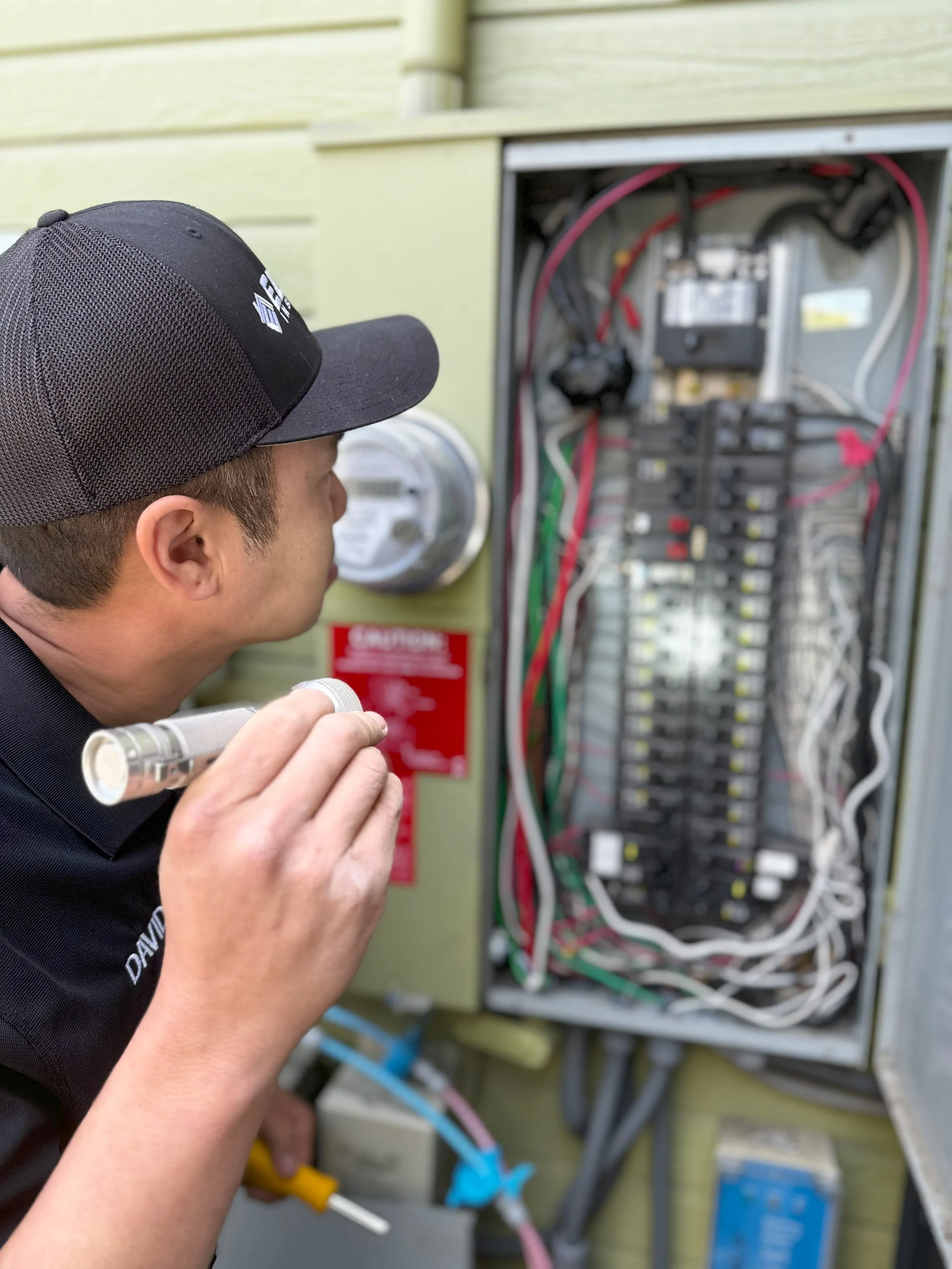
When it comes to home inspections, electrical safety is one of the biggest concerns for buyers—and for good reason. Electrical issues can pose serious fire hazards, lead to costly repairs, and create long-term safety risks if not addressed properly. At Elevate Inspections, we carefully evaluate the home’s electrical system to help buyers make informed, confident decisions.
In this guide, we break down the most common electrical red flags we see during home inspections, including aluminum wiring, double-tapped breakers, GFCI and AFCI protections, outdated electrical panels, and signs of dangerous DIY wiring.
Why Electrical Safety Matters During a Home Inspection
The electrical system is one of the most important—and potentially hazardous—components of a home. Hidden behind walls and inside the main service panel, electrical problems often go unnoticed until something goes wrong.
A thorough home electrical inspection helps identify:
Fire hazards
Shock risks
Outdated components
Poor wiring practices
Missing modern safety protections
These findings help buyers understand immediate safety issues and potential future repair costs.
1. Aluminum Wiring
Homes built from the mid-1960s to late-1970s may contain aluminum branch-circuit wiring, which is known for overheating, expanding under load, and loosening at connection points.
Why It’s a Problem
Higher fire risk
Loose connections create hotspots
Oxidation increases resistance and heat
Insurance companies may require repairs or remediation
What We Look For
Aluminum wiring (usually marked “AL” or “ALUM”)
Overheating or discoloration at outlets and switches
Improper connections to copper devices
Any signs of unsafe modifications
What Buyers Should Do
If aluminum wiring is present, we typically recommend further evaluation by a licensed electrician. Repairs may include special connectors (COPALUM or AlumiConn), rewiring, or panel updates.
2. Double-Tapped Breakers
A double-tapped breaker occurs when two wires are connected to a breaker designed for only one. This is one of the most common issues found during home inspections.
Why It’s a Problem
Creates loose connections
Can lead to overheating
Increases fire hazard
Often a sign of DIY electrical work
What We Look For
Multiple conductors under a single breaker screw
Breakers approved for two wires (rare but possible)
Overheating, burning, or corrosion
What Buyers Should Do
Most double taps can be corrected easily by a licensed electrician by adding a new breaker, using a pig-tailed connection, or installing a panel rated for multiple conductors.
3. Missing GFCI & AFCI Protection
Modern electrical safety standards require GFCI (Ground Fault Circuit Interrupter) and AFCI (Arc Fault Circuit Interrupter) protection in certain areas.
GFCI Outlets Are Required In:
Kitchens
Bathrooms
Garages
Laundry areas
Exterior outlets
Pool/spa equipment areas
GFCIs help protect against shock hazards in wet or damp locations.
AFCI Breakers Are Required In:
Bedrooms
Living rooms
Hallways
Most living spaces in modern homes
AFCIs help protect against electrical fires caused by arcing.
What We Look For
Missing GFCI outlets in required areas
Non-functioning GFCI or AFCI devices
Lack of AFCI breakers in newer homes
Unsafe or improper outlet replacements
Missing GFCI/AFCI protections are some of the most common—and most important—electrical safety recommendations in a home inspection.
4. Outdated Electrical Panels (Zinsco & Federal Pacific)
Some electrical panels have a long history of documented safety failures. The biggest concerns are:
⚠️ Federal Pacific Electric (FPE) Panels
Known issues:
Breakers fail to trip
Overheating at breakers
Fire hazards
Poor internal bus bar design
⚠️ Zinsco / Sylvania Panels
Known issues:
Breakers melt to the bus bars
Breakers fail to disconnect during overloads
Aluminum bus bars prone to corrosion
Why These Panels Matter to Homebuyers
Insurance companies may refuse coverage
High risk of electrical fire
Replacement is strongly recommended
During an inspection, if we identify an FPE or Zinsco panel, we always recommend evaluation and replacement by a licensed electrician.
5. Signs of Dangerous DIY Wiring
DIY electrical work is a hidden issue that can put homeowners at risk. We see it often—especially in garages, attics, and additions.
Common DIY Wiring Red Flags
Open splices
Loose or exposed wiring
Undersized or mismatched wire gauges
Wrong type of wiring for the area (e.g., indoor wire outdoors)
Unsecured or improper junction boxes
Outlets with reversed polarity
Overextended circuits
Amateur modifications to breaker panels
DIY wiring often violates safety standards and can create fire and shock hazards.
Buying a Home? Electrical Safety Should Be a Priority
A professional home inspection helps ensure that:
The electrical system is safe
Major upgrades or repairs are identified
Outdated components are flagged
Buyers avoid unexpected costs
At Elevate Inspections, we take electrical safety seriously. Our inspectors evaluate the home’s electrical system with attention to detail and clear explanations—so you understand what’s urgent, what’s recommended, and what’s simply for awareness.
Final Thoughts
Whether you're a first-time buyer or a seasoned homeowner, understanding electrical safety can protect your investment and your family. From aluminum wiring and double-tapped breakers to GFCI/AFCI protections, outdated panels, and DIY wiring issues, these are some of the most important electrical concerns we assess during every home inspection.