Pool Inspections: What General Home Inspectors Look For vs. Specialist Pool Inspectors
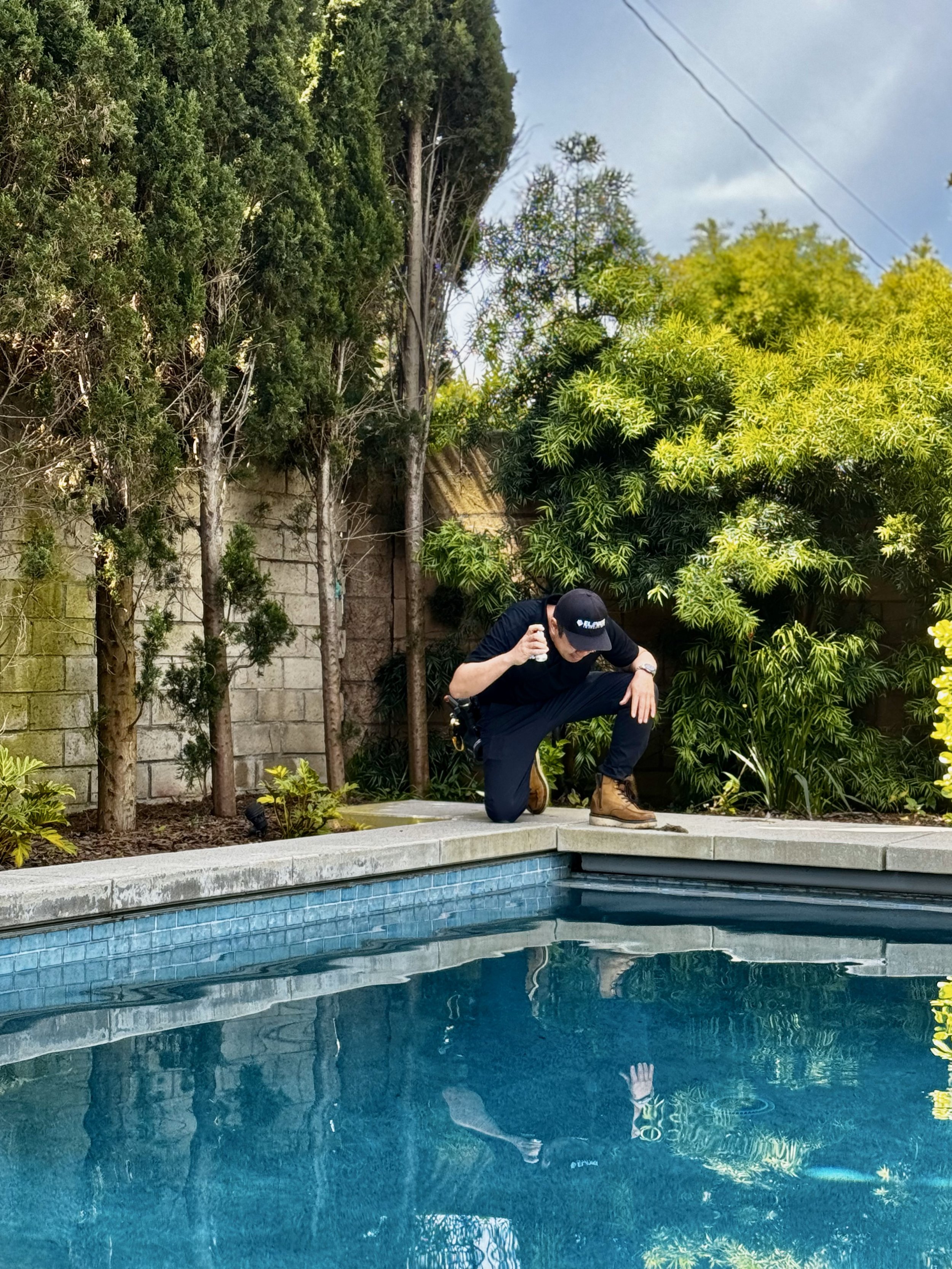
When a home includes a swimming pool, buyers immediately think of relaxation, value, and backyard fun. But beneath the waterline, a pool is a major system that requires proper evaluation to avoid unexpected repair costs.
At Elevate Inspections, we provide a general pool inspection as part of our home inspection services. However, a general inspection is not the same as a full pool inspection by a licensed specialist. Below is a clear breakdown of what we look for as certified home inspectors versus what a professional pool inspector evaluates in more depth.
What a General Home Inspector Looks for During a Pool Inspection
A general home inspector focuses on safety, visible condition, and basic functionality. Our goal is to identify obvious defects, potential safety hazards, and conditions that may require further evaluation by a pool contractor.
1. Pool Structure & Surface Condition
During a general swimming pool inspection, we visually examine:
Cracks in the pool shell
Damaged or missing tiles
Peeling plaster
Signs of leaks
Condition of coping and decking
These findings help determine whether a specialized pool inspection is recommended.
2. Pool Safety Features
Safety is a major part of any home and pool inspection. We check:
Safety fencing and pool barriers
Self-closing, self-latching gates
Required alarms or enclosures (depending on local regulations)
Trip hazards and uneven decking
Visible electrical issues
While we don’t conduct official code enforcement, we document anything that may pose a safety concern.
3. Basic Pool Equipment Evaluation
As part of the general home inspection, we visually check:
Pump and motor
Filter system (cartridge, DE, or sand)
Heater (if present)
Visible plumbing lines
Valves and skimmers
Accessible drain covers
Basic pool automation controls
We confirm whether the equipment turns on but do not perform performance testing, efficiency measurements, or disassembly.
4. Water Features & Lighting
If the home includes additional pool features, we check:
Waterfalls
Spa jets
Pool lighting
Visible leaks
Signs of improper installation
This is part of a general pool condition assessment, not a full diagnostic.
5. General Safety & Maintenance Observations
These may include:
Cloudy or poorly maintained water
Exposed wiring
Rusted pool equipment
Loose handrails or ladders
Cracked decking
If any concerns arise, we recommend calling a licensed pool inspector or pool contractor.
What a Specialist Pool Inspector Examines
A certified pool inspector or licensed pool contractor conducts a much more detailed and technical evaluation. These inspections go beyond the scope of a standard home inspection.
1. Structural Integrity Analysis
Specialists inspect:
Shell leaks
Hydrostatic pressure issues
Bond beam integrity
Soil movement concerns
Structural crack severity
Interior surface analysis
They often use leak detection tools, dye testing, and pressure testing equipment.
2. Plumbing & Leak Detection
A pool contractor can:
Pressure-test underground pool plumbing
Diagnose suction or return line leaks
Evaluate underground pipes
Inspect water flow and circulation system performance
This is a major reason why a pool-only inspection is often recommended for buyers.
3. Electrical Systems & Bonding
Specialists evaluate:
Proper bonding and grounding
Underwater light circuits
GFCI protection
Electrical safety compliance
This is a critical part of a comprehensive pool inspection.
4. Equipment Performance Testing
Specialists conduct:
Pump performance tests (GPM, PSI)
Filter condition assessments
Heater functionality testing
Saltwater system evaluation
Automated system diagnostics
This helps determine whether the pool equipment is operating correctly or needs repair.
5. Water Chemistry & Surface Analysis
A pool specialist may inspect:
Chemical balance
Scaling, corrosion, or mineral buildup
Surface discoloration
Chemical-related damage to plaster
Long-term wear patterns
This level of detail is outside the scope of a general inspection.
Why Both Inspections Matter for Homebuyers
A general home inspection provides a broad overview of pool condition, while a specialist pool inspection offers a deep dive into the pool’s mechanical and structural integrity.
Together, they help homebuyers:
Avoid expensive repairs
Understand equipment lifespan
Identify safety hazards
Gain confidence before closing
Get a full picture of the pool’s condition
If you're purchasing a home with a pool, both evaluations are important for informed decision-making.
Final Thoughts
Swimming pools can be an incredible asset—but only when buyers understand their true condition. At Elevate Inspections, we help homeowners make confident decisions by providing thorough, honest, and detailed pool assessments as part of our home inspection services. When a deeper evaluation is needed, we’ll always recommend the right licensed pool specialist.
Buying a home with a pool?
Let Elevate Inspections help you take your inspection to new heights.