
You finally got the keys.
After months of searching, negotiating, inspections, paperwork, and waiting, you're officially a homeowner. Now comes the fun part: moving in, decorating, buying furniture, and making the house feel like your own.
But before you start filling your Amazon cart with throw pillows and patio furniture, there are a few things every new homeowner should have.
Owning a home means taking responsibility for the systems, safety, maintenance, and unexpected problems that come with it. The right tools and supplies can make those first few months much easier—and potentially save you money when something inevitably needs attention.
Here are 20 things we recommend every new homeowner consider buying or having ready shortly after getting the keys.
1. A Basic Homeowner Tool Kit
If you don't already own a toolbox, now is the time.
You don't need to become a professional contractor, but you will eventually need to tighten a loose screw, hang a picture, assemble furniture, adjust a door, or make a minor repair.
A basic kit should include:
Hammer
Screwdriver set
Pliers
Adjustable wrench
Tape measure
Utility knife
Level
Hex keys
Socket set
Drill and drill bits
A good basic tool kit is one of those purchases you may not appreciate until you need it. Home improvement experts continue to recommend a well-stocked tool kit as one of the first purchases for new homeowners.
2. Flashlights and Extra Batteries
When the power goes out, your phone flashlight may not be the best solution.
Keep several flashlights around the house, particularly near bedrooms, the kitchen, garage, and electrical panel.
And don't forget the batteries.
Better yet, consider rechargeable flashlights or lanterns and keep them charged and ready for emergencies.
3. A Fire Extinguisher
Every homeowner should know where the fire extinguisher is located—and how to use it.
At minimum, consider having an appropriate extinguisher readily available in the kitchen and additional units where appropriate for the size and layout of your home.
Don't simply toss one under the kitchen sink and forget about it.
Make sure it is accessible, understand its intended use, and periodically check its condition and expiration information.
Fire safety should be one of the first priorities when moving into a new home.
4. Smoke and Carbon Monoxide Detectors
Never assume the existing smoke and carbon monoxide detectors are in perfect condition simply because they're already installed.
Test them.
Check their age.
Replace batteries as appropriate.
And replace outdated or malfunctioning units.
Current homeowner guidance recommends having smoke alarms in bedrooms and on each level of the home, while carbon monoxide detector placement should follow applicable requirements and manufacturer instructions.
These are inexpensive devices that can provide an enormous amount of protection.
5. A First Aid Kit
Minor injuries happen.
Whether you're assembling furniture, working in the garage, gardening, or tackling your first DIY project, having basic first-aid supplies readily available is a smart move.
Keep your kit somewhere accessible and make sure everyone in the household knows where it is.
6. A Plunger
This might not be the most exciting item on your new-home shopping list.
But you'll thank us later.
Every bathroom should have an appropriate plunger readily available.
A clogged toilet is not the time to discover that you don't own one.
7. A Wet/Dry Shop Vacuum
A wet/dry vacuum is one of those tools that becomes useful for far more than cleaning.
It can help with:
Water spills
Minor plumbing mishaps
Garage cleanup
Workshop debris
Vehicle cleaning
Dust and construction debris
Certain maintenance projects
For homeowners, a shop vacuum can be particularly useful when dealing with unexpected water or cleanup situations.
8. HVAC Air Filters
Find out what size air filter your HVAC system uses and keep replacements on hand.
Replacing filters is one of the simplest routine maintenance tasks you can perform, yet it's easy to forget.
When you move in, replace the filter if you don't know when it was last changed.
Then establish a routine based on your home's system, filter type, household conditions, and the manufacturer's recommendations.
While you're at it, write the filter size somewhere convenient so you don't have to crawl into a closet every time you need to buy one.
9. A Water Leak Detector
Here's one purchase we particularly like for new homeowners.
Small water leaks can become big problems.
Consider placing water sensors near areas such as:
Water heaters
Washing machines
Dishwashers
Under kitchen sinks
Bathroom sinks
Toilets
Refrigerators with water lines
HVAC equipment
Some smart water-monitoring systems can send alerts to your phone when moisture is detected, while more advanced systems can monitor water usage and even automatically shut off the water supply.
It's a relatively small investment compared with the potential cost of extensive water damage.
10. Know Where Your Water Shutoff Is—and Label It
Technically, this isn't something you "buy."
It's something you should identify and label.
Find the home's main water shutoff valve before you have an emergency.
If a pipe bursts at 2 a.m., you don't want to spend 20 minutes searching through a garage, crawlspace, basement, or utility area trying to figure out where the water turns off.
Consider labeling the valve clearly and making sure everyone in the household knows where it is.
The same principle applies to your electrical panel and other important shutoffs.
Knowing where these controls are located can make a significant difference during an emergency.
11. A Basic Plumbing Repair Kit
You don't need to stock an entire plumbing supply warehouse.
But having a few basic items available can save you a trip to the hardware store when something starts dripping.
Consider keeping:
Plumber's tape
Assorted washers
Replacement supply lines
Basic pliers
Adjustable wrench
Bucket
Towels
Drain-cleaning tool
For anything beyond a simple maintenance issue, know when to call a professional.
12. Caulk and a Caulking Gun
Caulk is one of the simplest ways to help protect certain areas of your home from moisture intrusion.
Bathrooms, kitchens, windows, doors, and other areas may eventually require maintenance.
But don't simply caulk over everything you see.
Before applying new caulk, determine why the existing material failed and make sure you're using the appropriate product for the application.
A small maintenance item today can sometimes help prevent a larger moisture problem later.
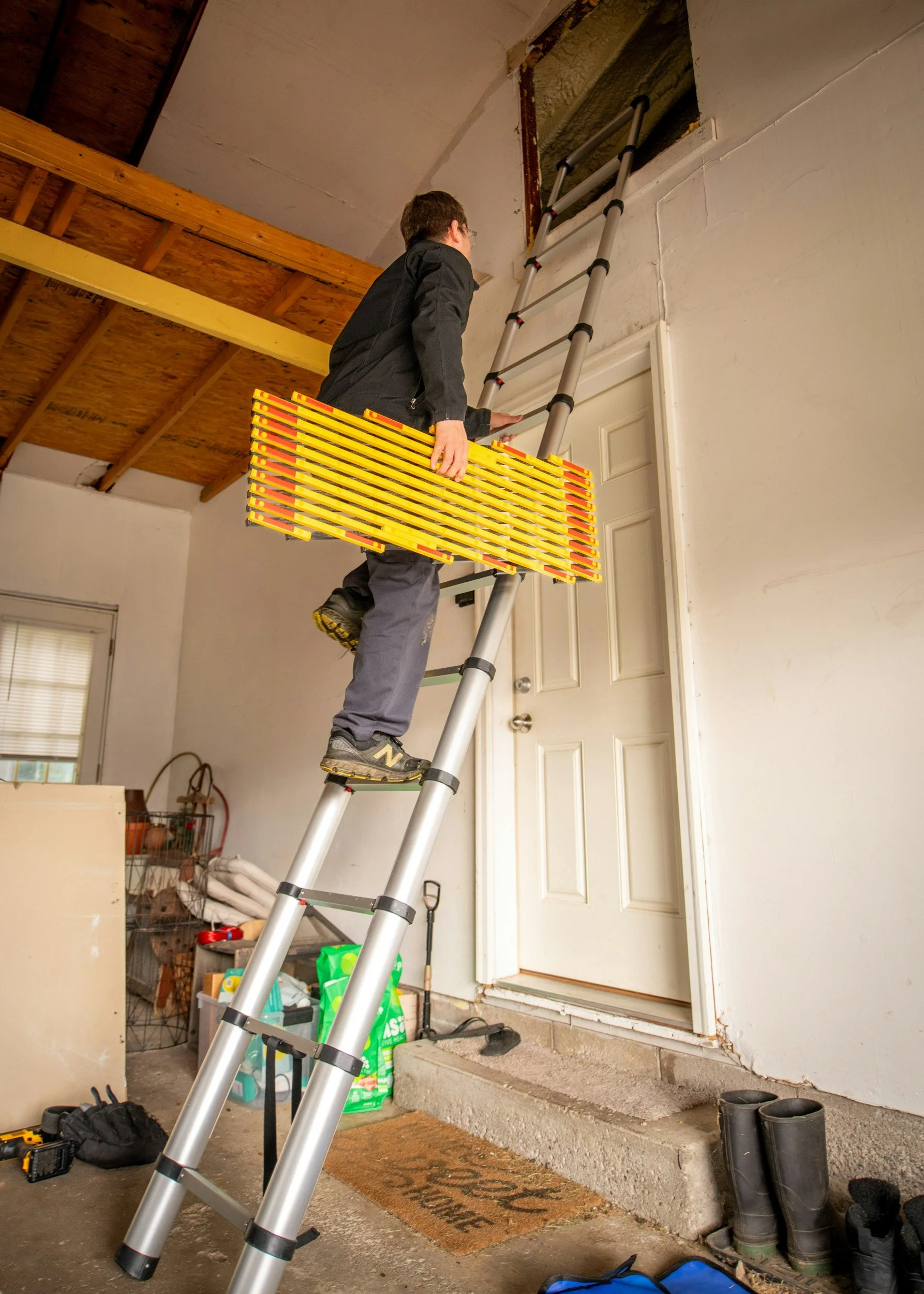
13. A Ladder
There will eventually be something you can't reach.
Changing a light bulb.
Checking a smoke detector.
Cleaning a high window.
Accessing a storage area.
Inspecting a gutter from a safe location.
A sturdy, properly sized ladder can be extremely useful around the house.
Always use the appropriate ladder for the task and follow manufacturer safety instructions.
14. A Fireproof or Water-Resistant Document Safe
Your home contains more important paperwork than you may realize.
Consider keeping important documents protected in a secure location, including:
Insurance information
Closing documents
Property records
Warranties
Appliance documentation
Receipts for major improvements
Manuals
Important identification documents
Better yet, keep digital backups of important records as well.
15. New Door Locks or Rekeying
You have no way of knowing exactly how many copies of your home's keys exist.
Previous owners, family members, contractors, cleaners, property managers, and others may have had access.
Changing the locks—or having them professionally rekeyed—is a simple way to start fresh.
Don't forget secondary entry points, garage access, and keypad codes.
Changing locks and reprogramming garage access are commonly recommended early steps for new homeowners.
16. A Smart Doorbell or Security Camera
You don't necessarily need to turn your house into a high-tech security system on day one.
But a video doorbell or exterior camera can provide useful visibility around your property.
Depending on the system, you may be able to:
See visitors
Receive motion alerts
Monitor packages
View activity around entry points
Communicate with visitors
Check the property while you're away
Just remember that smart technology should complement—not replace—good physical security.
17. Extra Light Bulbs
It sounds obvious, but this is one of those little things you don't want to discover at 9 p.m.
Walk through the house and identify the different bulb types and sizes being used.
Keep a few commonly needed replacements on hand.
If you're replacing bulbs, consider energy-efficient options and make sure the bulb is appropriate for the fixture.
18. A Home Maintenance Notebook
This might be one of the most valuable "purchases" you make—and it doesn't necessarily have to cost anything.
Create a central place for information about your home.
Keep track of:
Roof installation date
HVAC installation and service
Water heater age
Appliance warranties
Paint colors
Plumbing repairs
Electrical work
Major renovations
Contractor information
Inspection reports
Receipts
Maintenance dates
Think of it as the owner's manual for your house.
A home information binder is also recommended by home maintenance experts because it gives homeowners one place to organize system information, manuals, warranties, contacts, and maintenance records.
19. A Moisture Meter
Here's a tool many homeowners don't think about.
A basic moisture meter can help you identify elevated moisture levels in certain building materials.
It's not a substitute for professional inspection or specialized testing, but it can be a useful tool for homeowners who want to monitor areas where moisture could become a concern.
If you notice staining, musty odors, bubbling paint, damaged flooring, or other signs of possible moisture intrusion, don't simply rely on a meter.
Figure out where the moisture is coming from.
20. A Home Emergency Kit
Finally, put together a dedicated emergency kit.
Consider including:
Flashlights
Batteries
Portable phone chargers
Basic first aid supplies
Work gloves
Bottled water
Basic tools
Emergency blankets
Backup lighting
Important emergency contact information
Your kit should be customized to your household and the types of emergencies that could reasonably affect your area.
For California homeowners, it can also be smart to consider preparedness for events such as earthquakes, wildfires, power outages, and severe weather.
Bonus: Buy One Thing You Can't Put in a Shopping Cart—Knowledge
There's one more thing we recommend every new homeowner invest in:
Understanding your home.
When you purchase a house, you're not just buying four walls and a roof.
You're taking responsibility for a complex collection of systems that work together every day.
Your roof protects the structure.
Your plumbing brings water into the home and carries wastewater away.
Your electrical system powers everything from your refrigerator to your HVAC system.
Your drainage system helps direct water away from the structure.
Your foundation supports the entire building.
And all of those systems require maintenance.
A home inspection report can be a valuable starting point for understanding these components, but your responsibility doesn't end when the inspection is over.
In fact, that's when homeownership really begins.
Don't Wait Until Something Breaks to Learn About Your House
One of the biggest mistakes new homeowners can make is treating maintenance as something they will deal with "when it happens."
Instead, think proactively.
Know where your shutoffs are.
Know the age of your major systems.
Know when your HVAC filter needs to be changed.
Know when your roof may need maintenance.
Know where your electrical panel is located.
Know what type of plumbing your house has.
Know which areas of your home are vulnerable to moisture.
And keep records of the work you have done.
The sooner you start paying attention to your home, the easier it becomes to identify small problems before they turn into expensive ones.
Your New Home Isn't Just a Place to Live—It's an Investment
Buying a home is one of the largest financial commitments most people will make.
The furniture and decorations are the fun part.
The maintenance is what protects the investment.
Having the right tools, safety equipment, monitoring devices, and documentation can make homeownership easier and help you stay ahead of problems.
And if you're buying a home, don't wait until after closing to start learning about the property.
A professional home inspection can give you valuable information about the condition of the home's major systems and components before you make one of the biggest financial decisions of your life.
At Elevate Inspections, our experienced inspectors provide detailed home inspections and photo documentation to help buyers understand what they're purchasing—from the roof and attic to plumbing, electrical, HVAC, foundation, crawlspace, and more.
Because being a homeowner isn't just about having the keys.
It's about knowing how to take care of what's behind the door.